Despite the warm weather we’ve enjoyed over the past few months, the evenings are now chilly enough to send us reaching for the thicker jumpers and coats from our wardrobes and drawers. If you’ve pulled out your winter clothes to find unpleasant holes in your woollens or blankets, chances are you have clothes moths.
Any reputable exterminator will tell you that a thorough, deep cleaning is essential to getting rid of pests in your home. So before your home is treated, roll up your sleeves and deep clean every room, removing not only dust and dirt but also as many hidden larvae and eggs as possible. Otherwise, even professional treatments may not stop the infestation from persisting or recurring.
That’s why we’ve put together this guide to cleaning your home when you’re dealing with clothes moths. We’ll explain how to clean the moth-affected areas step by step, which often-overlooked spots need attention, and how to keep these pests from coming back.
You might also like: 5 Green Ways to Chase Spiders Away from Your Home

Moths often lay eggs on carpets beneath furniture that is rarely moved, such as reading chairs and wardrobes.
Where Do Clothes Moths Hide?
When people discover a clothes moth infestation, the advice they receive on cleaning their homes often sounds very simple: vacuum everywhere and wash everything to get rid of the eggs and larvae. And while this is good advice, it helps to understand where clothes moths are likely to hide and reproduce before you start cleaning.
Adult moths lay eggs in dark, hidden areas near food so their offspring can start feeding as soon as they hatch. Larvae feed on keratin, a protein found in wool, silk, fur, feathers and other animal-derived materials. Still, if no such items are lying around, they can easily survive on the hair, lint, and debris that gather in the undisturbed corners and crevices of your home. When cleaning, your main goal is to remove not only the larvae and eggs, but also anything they could feed on. Here are some of the most common spots to check for moth activity.
Carpets and Rugs
When was the last time you moved your sofa or a heavy wardrobe to vacuum underneath it? If the answer is a long time ago, start there. Carpet edges and the areas beneath furniture make ideal hiding places, especially if the carpet or rug contains wool.
Upholstered Furniture
Your sofa and armchairs deserve a closer look, too. Even synthetic upholstery can trap debris, so check the seams, folds, piping and gaps beneath the cushions, especially the undersides, which rarely get disturbed.
Skirting Boards, Floor Gaps, and Crevices
Skirting boards, gaps between floorboards and cracks in wooden flooring are easy to overlook when vacuuming. But these spots easily collect fur, hair, and lint.
Pet Beds and Pet Areas
If you have a dog or cat, inspect their beds and favourite resting places. Polyester and microfibre aren’t a typical food source for larvae, but they can trap a lot of pet hair. At the same time, beds containing natural fibres may be vulnerable themselves. Vacuum the surrounding floor, then wash the bed if the care label allows.
Read also: Keeping Your Home Happy and Fresh: Top Cleaning Tips for Pet Lovers
Storage Spaces, Wardrobes, and Lofts
Storage areas deserve particular attention when cleaning your home to get rid of moths. Empty wardrobes and drawers you rarely open, and check stored blankets and winter clothes that may have been untouched for months. Don’t forget the loft, where old clothes and woollen blankets are often kept for years. These spaces are dark and full of food, providing the perfect conditions for moths to thrive.

Moths don’t need the whole garment – they can feed on the lint and debris fallen from your jumpers and other woolen, silk, and fur items.
Wool, Fur, and Feathers
Check stored woollens, blankets, feather-filled items and natural fur accessories, including decorative pieces you rarely use. Damage can go unnoticed until you take them out of storage.
Bookshelves and Other Dusty Areas
Books aren’t a typical food source, but the lint and dust that gathers behind them and along shelf edges is worth cleaning. Remove the books, vacuum the shelves and corners, and check any nearby woollen furnishings. Not every dusty shelf hides moth eggs and larvae, but it is worth checking any areas that haven’t been disturbed in a long time.
Check also: The Hidden Allergens in Your Home
The Bedroom Chair and Piles of Worn Clothing
Almost every bedroom has that one chair where worn clothes end up: not clean enough to go back in the wardrobe, but not quite dirty enough, or so we think, for the laundry basket. Sometimes the pile stays there for weeks. If you’ve discovered clothes moths, it’s time to roll up your sleeves and deal with it. Stains and traces of sweat and sebum make clothing more attractive to pests, so inspect each garment for damage, then sort and clean it according to its care label before putting it away.
Shoe Cabinets and Stored Footwear
Leather is animal-derived, and shoes collect dirt and other organic debris, so shoe cabinets are worth checking, especially if they hold footwear that hasn’t been worn in a long time. Inspect the insides, the spaces beneath shelves and any forgotten shoes or accessories made from wool or fur.

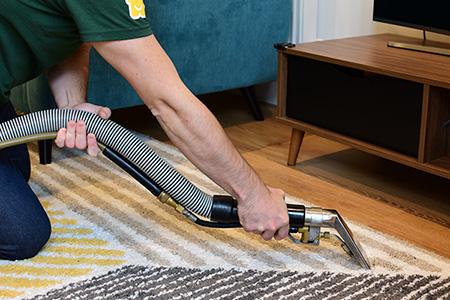
Professional sofa and carpet cleaning helps reduce moth attractants and is key to deeply sanitising your furnishings
How to Clean Your Home Step by Step
The cleaning process may take more time and effort than you expect, but you should be thorough. Leaving infested items untreated or missing areas with larvae and eggs can allow the infestation to continue. The best approach is to work systematically, starting with vulnerable belongings and storage spaces before moving on to the rest of the home.
Read also: Why Autumn Cleaning is the New Spring Cleaning?
1. Empty Your Wardrobes and Check Their Contents
Start by emptying wardrobes, drawers, cupboards and storage boxes holding clothes or other susceptible items. Inspect everything for holes, larvae, silken cases and other signs of moth activity, and separate affected items from those that appear unaffected. Don’t simply move potentially infested belongings into another wardrobe or room. This is also a good chance to get rid of anything you no longer need: the fewer vulnerable items you store, the easier it is to keep track of them.
2. Wash or Otherwise Treat Susceptible Textiles
Always checking the care label first before you decide how to treat each item. Washing at 60°C can kill eggs and larvae, but only if the fabric can tolerate it. For woollen jumpers, heavy blankets, fur coats and other items that can’t be washed hot, consider professional dry cleaning. Freezing can also work when done correctly: seal suitable items in bags and keep them in the freezer at -18°C for several days to 2 weeks (the exact time depends on the item.)
Don’t assume that a quick wash or a short spell in the freezer will eliminate every life stage. For valuable, delicate or heavily infested items you want to save, seek professional advice on the most suitable treatment. Once these items have been treated, keep them separately in clean, well-sealed containers or garment bags.
3. Vacuum Wardrobes, Drawers, and Storage Areas Thoroughly
With the storage spaces empty, it’s time to clean them properly. Vacuum shelves, drawer interiors, corners and joints; use a narrow attachment for gaps and shelf edges, and don’t forget the tops of wardrobes. Afterwards, empty the vacuum into a sealed bag and put it in an outdoor bin promptly. If you have a bagless vacuum, follow the manufacturer’s instructions for emptying and cleaning the canister.
4. Vacuum Floors, Skirting Boards, and Hidden Areas
Next, move on to the floors throughout your home. Vacuum slowly, moving furniture so you can reach underneath, and pay particular attention to carpet edges, skirting boards, floor gaps and where furniture meets the wall. For heavy furniture you can’t move safely, clean as much of the surrounding area as you can with a narrow attachment. Also, if you’ve found moths in one room, don’t assume the rest of the house is unaffected – clean every room meticulously to make sure no corner is missed.
You might also like: How to Remove Stubborn Pet Hair From Carpets
5. Clean Carpets, Rugs and Upholstered Furniture
Carpets, rugs and upholstered furniture need special attention, particularly if they’re made from wool, silk, or other animal fibres. Vacuum carpets slowly, covering the whole surface rather than just visible marks or high-traffic areas. If you have area rugs, remove them and clean underneath. Use proper attachments for sofa seams, cushion edges and folds. Don’t forget to check rugs that have been stored away – roll them out and inspect both sides. Book carpet and upholstery cleaning for deep sanitisation. Professional methods like hot water extraction remove dust, lint, and eggs trapped in the fibres.
Read also: How to Care for Wool Carpets and Rugs
6. Prepare Your Home for Treatment
If a pest control company is scheduled to treat your home, follow its preparation instructions. Some treatments restrict cleaning afterwards, so it’s best to coordinate rather than assume that more cleaning is always better.

Woollen jumpers and other items susceptible to moth damage should be stored in airtight containers when not in use.
How to Keep Clothes Moths from Returning
No cleaning routine can guarantee that clothes moths won’t return, but a few habits can make it easier to spot activity before it becomes a bigger problem.
Store Susceptible Items Properly
Make sure clothes are clean and completely dry before putting them away, and keep woollens and blankets in well-sealed containers or garment bags. Avoid putting away anything that has been worn, even if it looks clean enough to wear again. Try not to leave worn clothes piling up on the bedroom chair or sitting in the laundry basket for weeks.
Vacuum the Whole House, Not Just the Visible Areas
When vacuuming, move furniture and clean along skirting boards and beneath beds and sofas. Vacuum and wash pet beds regularly.
Inspect Vulnerable Items and Use Traps for Monitoring
Check woollens, blankets, rugs and fur accessories periodically, especially after long periods in storage. Pheromone traps can help you monitor adult male moth activity, but they won’t eliminate an infestation on their own. If you keep seeing moths or find fresh damage, investigate the source rather than assuming another cleaning will solve it.
Use Moth Repellents
Place natural moth deterrents like lavender sachets, bay leaves, and cedar blocks in wardrobes, drawers, and storage areas to keep adult moths away.

Cleaning up after moths can be exhausting, but you don’t have to do it alone. Image by rawpixel.com on Freepik
When to Call in Professional Cleaners
Thorough cleaning is time-consuming, and there may be more to do than you expected. If you’re struggling to find the time, we can help. At The Happy House Cleaning, we offer carpet, rug, and upholstery cleaning, as well as one-off deep cleaning, to get your home ready for the next steps in dealing with a moth infestation.
If you are dealing with a persistent moth infestation, it’s crucial to work with a qualified pest control specialist to identify the source of the problem and determine the most appropriate treatment.